

Syrup Hepencia (Sugar Free):
Liver health | Digestive health | Healthy Hemoglobin Level | Blood Purifier (in traditional sense)
Syrup Hepencia is a polyherbal formulation containing concentrated aqueous extracts of seven botanicals, developed for professional consideration in conditions where support for abdominal visceral health, hepatic function and blood health is desired. Its formulation concept brings together traditional uses associated with anti-inflammatory activity, liver support, blood purification and haematinic effects. Its suitability for specific clinical indications should be assessed in light of its composition.
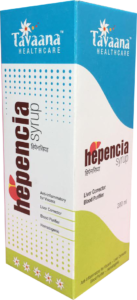
Syrup Hepencia: Composition and Ingredients
Hepencia contains concentrated aqueous extracts of the following botanical ingredients:
| Common name | Botanical name |
| Kasni | Cichorium intybus |
| Ajmoda | Apium graveolens |
| Amar Bel | Cuscuta reflexa |
| Gulab | Rosa centifolia |
| Chandan | Santalum album |
| Rewand Chini | Rheum emodi |
| Anar | Punica granatum |
Traditional benefits of the seven ingredients in Hepencia
| Intended proposition | Most relevant ingredients |
| Liver support | Kasni; Amar Bel, Ajmoda, Rewand Chini, Gulab and Anar in traditional sources |
| Digestive support | Kasni, Ajmoda, Rewand Chini, Gulab |
| Anti-inflammatory potential | Kasni, Amar Bel, Rewand Chini; sandalwood wood in traditional literature |
| Blood purification | Kasni and Gulab in Unani & Ayurveda |
| Haematinic effect | Anardana and Gulab |
1. Ajmoda — Apium graveolens (Ajmodikaa, Dipyaka, Karafs)
System: Ayurveda & unani
Ajmoda (Celery) is a medicinal herb known for its anti-inflammatory, diuretic, carminative, and antispasmodic properties. It has traditionally been used to support liver and spleen health and may be beneficial in herbal formulations intended for liver care. Its essential oil contains d–limonene, phthalides, and beta–selinene, along with flavonoids such as apiin and apigenin. Ajmoda also exhibits potential antioxidant and anti-inflammatory effects that may support its role in herbal preparations. Its diuretic properties promote urine output, while its traditional medicinal uses include supporting digestive and urinary functions. Thus, Ajmoda can serve as a supportive herbal ingredient in liver tonic formulations.
2. Kasni — Cichorium intybus (Kaasani, Kasinikkeerai)
System: Ayurveda & unani
Chicory is a valuable herbal ingredient in liver tonic formulations due to its mild hepatoprotective, diuretic, laxative, and cholagogue properties. It has traditionally been used to support liver function and manage conditions such as liver congestion and jaundice. Chicory promotes bile secretion and stimulates intestinal peristalsis, thereby supporting digestion and bowel function. Its roots contain inulin, sesquiterpene lactones, coumarins, and polyphenols, which contribute to its medicinal properties. Experimental studies have demonstrated potential hepatoprotective effects of chicory extracts against chemically induced liver damage in animal models. Therefore, chicory may serve as a supportive ingredient in herbal formulations designed to promote liver health and improve digestive function.
3. Amar Bel — Cuscuta reflexa (Amarvalli, Kasoos)
System: Ayurveda and regional traditional medicine
Amarbel (Kasoos) is a medicinal plant containing several bioactive constituents that may contribute to its potential therapeutic properties. Its seeds contain amarbelin and kaempferol, while the stem contains cuscutin, cuscutatin, beta–sitosterol, luteolin, bergenin, and kaempferol. The plant may also accumulate alkaloids from its host plant, influencing its chemical composition. Amarbel growing on Mangifera indica (mango) has been reported to contain mangiferin, a bioactive compound studied for its antioxidant and anti-inflammatory properties. These phytochemical constituents suggest potentia value.
4. Gulab — Rosa centifolia (Iroja, Rajapoo, Gul-e-Surkh, Shatapatri, Shatapatrikaa, Taruni, Devataruni, Karnikaa, Chaarukesharaa, Laakshaa, Gandhaaddhyaa.)
System: Ayurveda and regional traditional medicine
Amarbel (Kasoos) is a medicinal plant containing several bioactive constituents that may contribute to its potential therapeutic properties. Its seeds contain amarbelin and kaempferol, while the stem contains cuscutin, cuscutatin, beta–sitosterol, luteolin, bergenin, and kaempferol. The plant may also accumulate alkaloids from its host plant, influencing its chemical composition. Amarbel growing on Mangifera indica (mango) has been reported to contain mangiferin, a bioactive compound studied for its antioxidant and anti-inflammatory properties. These phytochemical constituents suggest potentia value.
5. Chandan — Santalum album (Sandal Safed, hvetachandana, Shrikhanda, Bhadra-Shree, Gandhsaara, Malayaja, Hima, Ekaangi, Sandana, Ingam)
System: Ayurveda and Unani
Sandalwood is a medicinal ingredient traditionally valued for its cooling, diuretic, antiseptic, and anti-inflammatory properties. It has been used in traditional medicine to support urinary tract and gallbladder health. Its essential oil exhibits antibacterial and antifungal activities, making it useful in traditional preparations for urinary tract infections and inflammation. The heartwood essential oil is rich in alpha– and beta–santalol, along with sesquiterpene hydrocarbons such as alpha–santalene, beta–santalene, and beta–farnesene. These bioactive constituents contribute to its therapeutic potential. Due to its traditional use in supporting urinary and biliary health, sandalwood may serve as a supportive ingredient in herbal formulations aimed at promoting overall liver and digestive wellness.
6. Rewand Chini — Rheum emodi (IndianRhubarb, Himalayan Rhubarb, Amlaparni, Pitamuuli, Gandhini Revatikaa)
System: Ayurveda and Unani
Rhubarb is included in Hepencia in a low quantity as this herb is traditionally used for its purgative, astringent, and aperient properties, making it beneficial in supporting digestive health. It helps relieve constipation and atonic dyspepsia by stimulating bowel movements. Its roots and rhizomes contain important bioactive constituents, including anthraquinones such as emodin, aloe–emodin, chrysophanol, and rhein, along with sennosides A and B. These compounds contribute to its laxative activity, while gallic acid and tannins provide astringent effects. Rhubarb may support digestive and bowel functions by promoting intestinal clearance and relieving constipation.
7. Anar Dana — Punica granatum (Maathulai, Daadima, Daadimba, Raktapushpa, Dantabijaa, Raktakusumaa, Lohitpushpaka)
System: Ayurveda and Unani
Pomegranate fruit rind, juice, and other plant parts possess several medicinal properties that make it a valuable ingredient in herbal liver tonics. The fruit rind exhibits astringent, digestive, and stomachic properties, while its fresh juice is traditionally used to relieve biliousness, dyspepsia, excessive thirst, and inflammation of the stomach. It contains bioactive compounds such as punicalagin, punicalin, ellagic acid, and granatins, which contribute to its therapeutic potential. Pomegranate extracts also demonstrate antimicrobial and antioxidant potential. Its traditional use in digestive and bilious disorders supports its relevance as a supportive ingredient in liver tonic formulations.
Key Benefits and Traditional Uses of Syp Hepencia (Sugar Free)
Liver Health & Hepatic Function
Syrup Hepencia combines seven botanical extracts traditionally valued for supporting liver health and maintaining healthy liver function and the health of abdominal organs.
Digestive Health
It supports digestive wellness and maintain healthy GI tract.
Traditional Blood-Purifying Properties
Drawing upon Unani and Ayurvedic traditions, Hepencia ingredients are linked with the concept of blood purification. In traditional usage, this concept relates to maintaining healthy blood composition and overall blood health.
Haematinic Support
Anaar and Gulab have haematinic properties. The syrup has also been evaluated for its potential to support healthy haemoglobin levels.